
When the lights flickered inside Rajesh’s factory for the third time that week, production came to a halt. Workers waited, machines stood silent, and deadlines slipped away. For Rajesh, this wasn’t just an inconvenience it was money lost every minute. Like many business owners, he relied heavily on grid electricity, unaware that a smarter, more stable solution was already shining above his roof. That moment marked the beginning of his journey toward Solar Panels for Commercial Use.
Across offices, factories, and warehouses, businesses are facing similar challenges rising electricity costs, unreliable power supply, and increasing pressure to operate sustainably. This is why companies of all sizes are now exploring the Best Solar Panels for Commercial Use to power their operations efficiently and future-proof their investments.
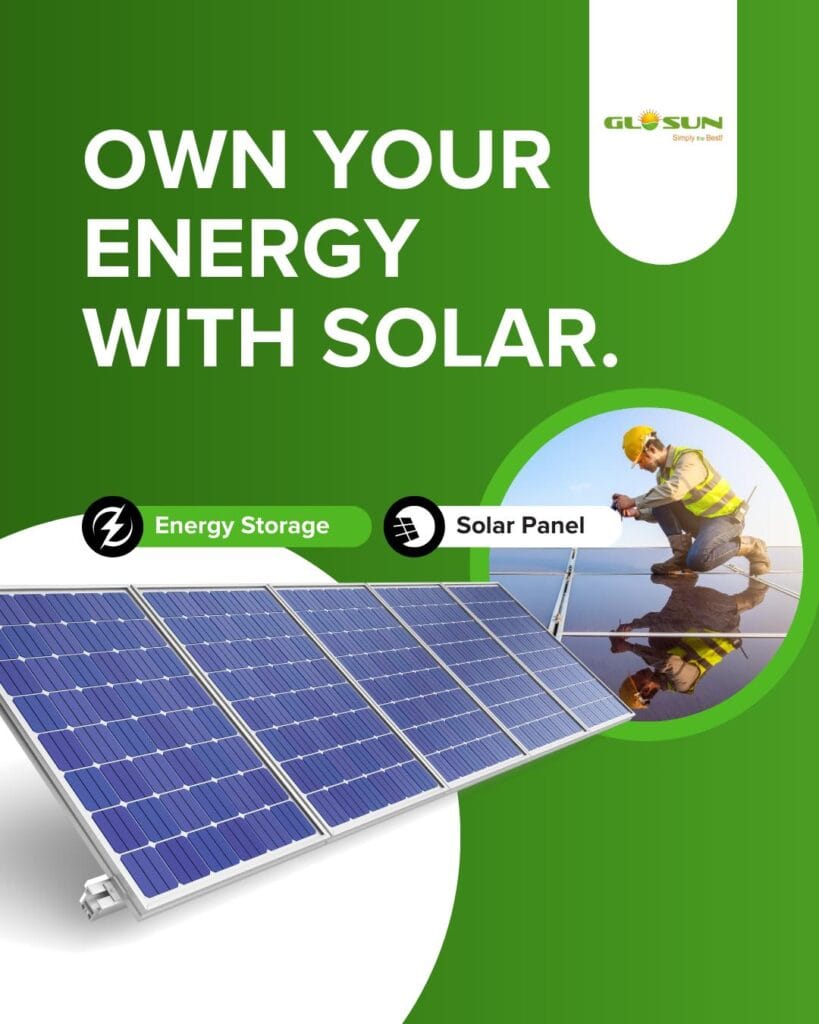
The Growing Energy Challenge for Commercial Spaces
Commercial buildings consume significantly more energy than residential homes. Offices run computers, servers, air conditioning, and lighting all day. Factories depend on heavy machinery, while warehouses operate lighting systems, conveyor belts, and temperature control units.
Rajesh quickly realized that traditional power sources were not only expensive but unpredictable. Monthly bills kept increasing, and outages disrupted workflows. This growing challenge is pushing businesses to rethink how energy is sourced and managed, making Solar Panels for Commercial Use a practical and scalable solution.
Why Businesses Are Turning to Solar Power
The decision to switch to solar is rarely emotional it’s strategic. Business owners like Rajesh choose solar because it offers long-term financial stability and operational control.
One of the strongest motivations is cost savings. Solar energy allows companies to generate their own electricity, reducing dependence on the grid. Over time, this significantly lowers operational expenses. Additionally, solar installations act as a hedge against rising electricity tariffs.
Beyond cost, sustainability has become a business value. Customers, partners, and investors increasingly prefer organizations that demonstrate environmental responsibility. Installing Solar Panels for Commercial Use signals commitment to clean energy while strengthening brand reputation.
Understanding How Commercial Solar Systems Work
Before installing solar, Rajesh wanted clarity. A commercial solar system consists of solar panels, inverters, mounting structures, and sometimes battery storage. These panels absorb sunlight and convert it into electricity that can be used directly within the facility.
Excess power can be stored or sent back to the grid through net metering, further improving returns. The scalability of these systems makes Solar Panels for Commercial Use suitable for both small office buildings and large industrial plants.
Best Solar Panels for Commercial Use: What Makes Them Different
Not all solar panels are designed for business environments. Commercial panels are built to deliver higher efficiency, durability, and output. The Best Solar Panels for Commercial Use are engineered to perform consistently under heavy energy loads and challenging weather conditions.
They are typically larger, more powerful, and optimized for long operational hours. This makes them ideal for factories running multiple shifts or warehouses requiring constant lighting and automation.
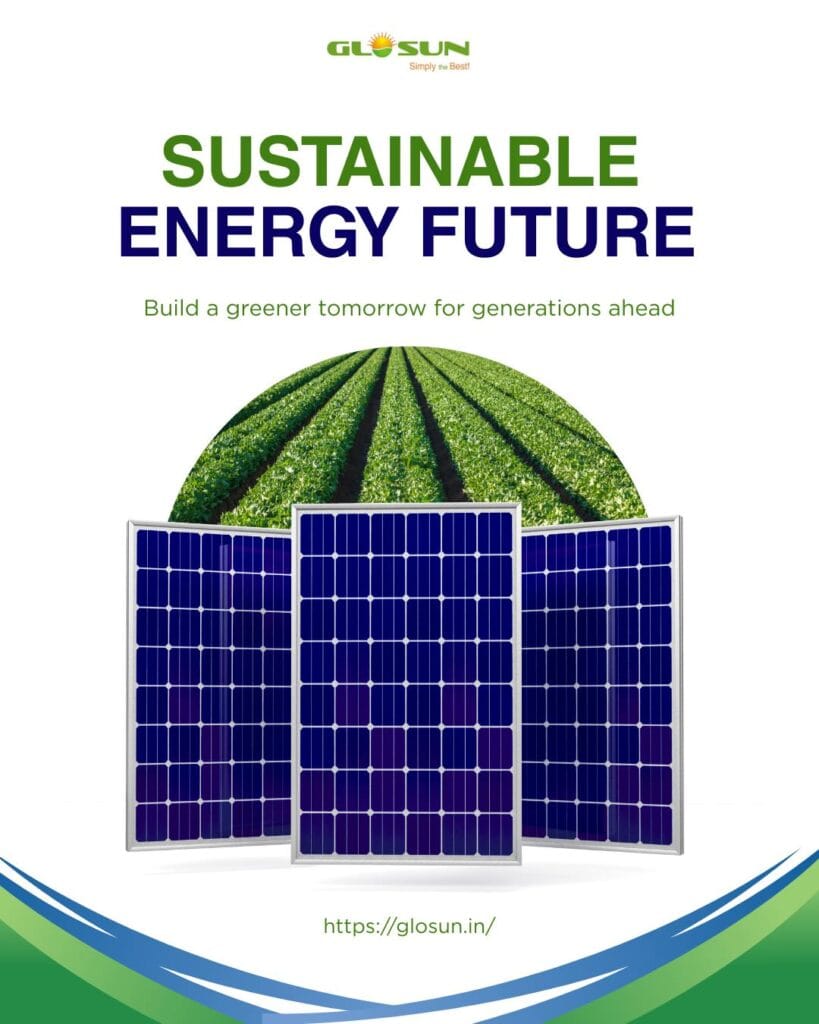
Solar Solutions for Offices
In modern office spaces, energy consumption is continuous. Computers, elevators, HVAC systems, and lighting demand uninterrupted power. Rajesh’s corporate office struggled with peak-hour tariffs until solar was introduced.
By installing Solar Panels for Commercial Use, office buildings can reduce daytime electricity costs when energy demand is highest. Solar power aligns perfectly with office hours, making it one of the most efficient applications of renewable energy.
Employees also benefit from working in a sustainable environment, which boosts morale and aligns with corporate social responsibility goals.
Solar Power in Factories and Manufacturing Units
Factories are energy-intensive by nature. Heavy machinery, motors, and production lines require stable and high-capacity power sources. Even short interruptions can cause losses and equipment damage.
This is where Solar Panels for Commercial Use provide a competitive advantage. Solar systems can be customized to meet large-scale energy demands, ensuring smoother operations. For Rajesh’s factory, solar reduced dependency on diesel generators and improved production reliability.
Factories also benefit from rooftop availability, making installation cost-effective and scalable.
Warehouses and Logistics: Unlocking Solar Potential
Warehouses often have expansive rooftops, making them perfect candidates for solar installations. These facilities require energy for lighting, security systems, and material handling equipment.
With Solar Panels for Commercial Use, warehouse operators can convert unused roof space into power-generating assets. Solar energy supports long operating hours while keeping overhead costs under control.
For logistics companies, this shift improves operational efficiency and aligns with sustainability commitments demanded by global supply chains.
Financial Benefits and Return on Investment
One of Rajesh’s biggest concerns was return on investment. Commercial solar systems typically offer faster payback compared to residential setups due to higher energy consumption and available incentives.
Government subsidies, accelerated depreciation, and tax benefits significantly reduce upfront costs. Over time, the savings generated by Solar Panels for Commercial Use outweigh the initial investment, delivering long-term profitability.
Once the system pays for itself, the energy produced is essentially free, improving cash flow and financial planning.
Maintenance and Longevity of Commercial Solar Systems
A common myth is that solar systems require complex maintenance. In reality, they are designed for durability and minimal upkeep. Periodic cleaning and basic inspections are usually sufficient.
The Best Solar panel for commercial use is built to last 25 years or more, making them a reliable long-term energy solution. Rajesh found that maintenance costs were far lower than generator fuel or grid dependency expenses.
Choosing the Right Solar Partner
The success of any solar project depends on proper design and installation. Businesses must evaluate energy requirements, roof strength, shading, and future expansion plans.
A professional solar partner ensures system efficiency, compliance, and safety. Choosing experienced installers ensures that Solar Panels for Commercial Use deliver maximum output and reliability throughout their lifespan.

The Future of Commercial solar Energy
Today, Rajesh’s factory operates smoothly, even during peak demand hours. His electricity bills are predictable, his operations are resilient, and his business has gained recognition for adopting clean energy.
The shift toward solar is not just a trend it’s a transformation in how businesses power their growth. With rising energy demands and environmental accountability, Solar Panels for Commercial Use are becoming an essential infrastructure investment.
For offices, factories, and warehouses, solar energy is no longer an alternative it’s the smarter way forward.